Household hazardous waste rules Harrow disposal guidance
Posted on 11/09/2026
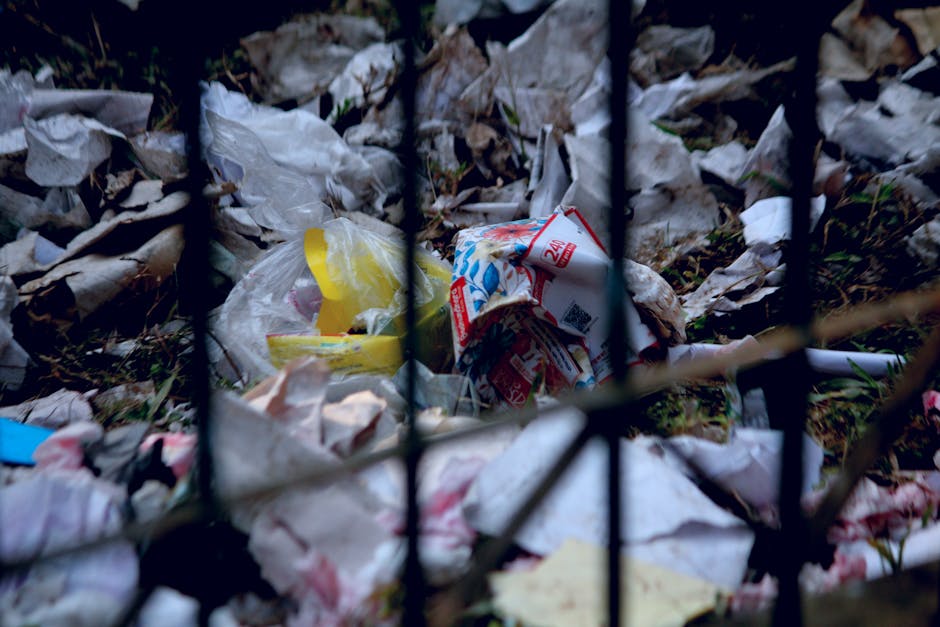
If you have old paint tins, half-used bleach, batteries, aerosols, or a leaking bottle of engine oil sitting under the sink, you are dealing with more than ordinary rubbish. Household hazardous waste rules Harrow disposal guidance matters because the wrong bin, bag, or collection can create a safety risk and, frankly, a messy one too. In a typical Harrow home, these items build up quietly in a cupboard, garage corner, loft box, or garden shed until one day you have to sort them out properly. This guide explains what counts as hazardous waste, how to handle it safely, and how to choose the right disposal route without second-guessing yourself.
We will keep this practical. No drama, no jargon for the sake of it. Just clear steps, local-minded advice, and a few things people often miss the first time round. If you want the short version: keep hazardous items separate, never mix chemicals, and use a disposal method that matches the item and the risk.
Why Household hazardous waste rules Harrow disposal guidance Matters
Household hazardous waste is not just "rubbish with a warning label". It can be flammable, toxic, corrosive, reactive, or simply awkward to move safely. That includes things like solvents, pesticides, leftover chemicals, fluorescent tubes, small gas canisters, and damaged batteries. Even a small spill can damage flooring, irritate skin, or release fumes you do not want in a closed hallway on a damp Tuesday afternoon.
In Harrow, the practical issue is simple: if you treat hazardous items like normal domestic rubbish, you may put waste handlers, neighbours, or even your own household at risk. You may also end up with rejected collections, extra charges, or a storage problem that never seems to go away. Let's face it, most people do not have a perfectly organised utility room with colour-coded containers. Things get shoved into cupboards. That is normal. But hazardous waste needs a bit more attention than the usual clear-out.
This is also about responsibility. Once you hand waste over, you still want confidence that it is being handled correctly. If you are clearing a house, tidying a loft, or emptying a shed after a long-overdue sort-out, it helps to understand what should stay separate and what can be removed through a standard service. For broader planning, it can also help to review the full range of waste services available in Harrow and decide which route suits your situation best.
How Household hazardous waste rules Harrow disposal guidance Works
The basic approach is straightforward: identify the item, check whether it is hazardous, store it safely, and choose the correct disposal channel. The details matter, though. Different materials have different handling needs, and not everything that looks dangerous is legally classed the same way. A half-empty bottle of bleach is not the same as a sealed can of paint, and both are different again from a smoke alarm or a lithium battery.
For most households, the process usually follows this pattern:
- Sort the item by type. Separate liquids, solids, batteries, aerosols, and electrical items.
- Check for leaks or damage. If a container is cracked, unstable, or emitting fumes, isolate it immediately.
- Keep original labels where possible. This helps identify the product and its risk level.
- Do not combine materials. Never pour one chemical into another container "to save space". That is how trouble starts.
- Use a suitable disposal route. Some items may need specialist collection or approved handling as part of a wider clearance.
In everyday terms, think of it like this: a box of ordinary books can go together, but a tin of paint, a battery pack, and a cleaning product should not all be bundled into the same sack just because they fit. Different waste streams, different risks. Simple, but easy to forget when you are in the middle of a proper home clear-out.
If your hazardous items are turning up alongside bulky furniture, general clutter, or a loft full of mixed belongings, it may make sense to pair the job with house clearance support or a broader waste clearance service so the items can be separated properly before removal.
Key Benefits and Practical Advantages
Handling hazardous household waste properly gives you a few important wins. Some are obvious, others show up only when you have already saved yourself hassle.
- Better safety at home. Fewer spills, fumes, and accidental reactions.
- Cleaner storage areas. No more mystery bottles wobbling in the shed.
- Lower risk during removal. Waste handlers can work more efficiently when items are clearly separated.
- Less chance of rejected waste. Mixed loads are where problems begin.
- Improved recycling potential. Some materials can be diverted more effectively when sorted correctly.
- Peace of mind. You know you have done the responsible thing, which honestly matters more than people admit.
There is another practical advantage too: you can save time later. Households often keep small hazardous items for years because "they are only taking up a corner". Then, when a move, renovation, or end-of-tenancy clean-up arrives, the pile is suddenly awkward. Sorting it now means less stress later. And less muttering under your breath while opening cupboards, which is always a bonus.
For a wider view of how responsible disposal fits into a cleaner, more efficient home, you may also find the site's recycling and sustainability approach useful.
Who This Is For and When It Makes Sense
This guidance is useful for almost anyone managing a home in Harrow, but it is especially relevant if you are doing one of the following:
- clearing out a garage, loft, or garden shed
- moving house and finding old chemicals or batteries
- refreshing a property after years of stored clutter
- getting rid of paint, varnish, adhesives, or cleaning products
- disposing of small electrical items with built-in batteries
- handling waste after DIY or basic decorating work
It also makes sense for landlords, letting agents, and property owners dealing with mixed waste after a tenancy ends. You often find a curious blend of the ordinary and the awkward: a broken lamp, a pile of forgotten chargers, half a tin of wood treatment, and some old bleach that smells sharper than you remembered. Not glamorous, but very real.
If the job also includes appliances or white goods, you may need a different route entirely. In those cases, it can be worth looking at appliance disposal options so hazardous components are handled appropriately.
Step-by-Step Guidance
Here is a practical way to deal with hazardous household waste without making the whole thing more complicated than it needs to be.
- Put on basic protection. Gloves are a sensible start. If you are handling dusty, leaking, or strongly scented items, a little extra care helps.
- Open the area first. A well-ventilated space is better than working in a sealed cupboard or tiny bathroom with the window shut.
- Sort items into rough groups. Keep batteries, paints, aerosols, chemicals, and electrical items apart.
- Check each container. If it leaks, double-bag where appropriate or isolate it in a rigid container. Do not overfill bags.
- Retain labels and lids. If the lid is missing, use a temporary seal only if it is safe to do so.
- Keep items away from heat. Avoid sheds or airing cupboards that get warm, especially with aerosols and chemicals.
- Plan the disposal method. Some items can be handled with standard domestic collection routes, while others may need specialist removal.
- Book the right service. If you are unsure, speak to a knowledgeable waste provider rather than guessing.
A quick practical example: say you are clearing a spare room after years of "I'll sort that later". You find old wall paint, some batteries, a bottle of drain cleaner, and a cracked bulb. Do not wrap them together in one bin liner and hope for the best. Separate them, keep them stable, and decide collection by item type. It takes a few extra minutes. Much less than dealing with a spill, which is the part nobody wants.
If you are arranging removal through a local collection team, timing can matter too. Same-day arrangements are sometimes possible, but not every job is suitable for a rush. For mixed or delicate waste loads, it is better to be careful than quick. That said, if you need general rubbish taken away alongside the hazardous items, a local rubbish collection service in Harrow can help with the non-hazardous part of the load.
Expert Tips for Better Results
A few small habits make hazardous waste disposal much easier.
- Keep a mini waste box at home. Use it for batteries, cartridges, old cables, and similar small items so they do not get scattered everywhere.
- Store liquids upright. It sounds obvious, but bottles tip over more often than people expect.
- Never use food containers for chemicals. It is a classic mistake and a very bad one, especially if someone else might move the item later.
- Use clear labels. If you transfer items into temporary containers, mark what they are immediately.
- Keep children and pets away. Curiosity is adorable until it is not.
- Group by compatibility, not convenience. Similar-looking items are not always safe together.
One small trick we often recommend is to do a ten-minute sort while you are already clearing another part of the home. If you are in the loft anyway, or tidying after a big weekend job, set a little tray aside for batteries and small hazardous items. You will be surprised how quickly the pile grows. Quietly, too. A bit annoying, really.
If your clearance is happening in a tight access property or on a busy street, it may be worth reading about access issues for rubbish clearance in Harrow before booking a collection. Narrow streets and awkward parking can affect how safely items are removed.
Common Mistakes to Avoid
Most problems with hazardous household waste come from a few repeat mistakes. The good news is they are easy to avoid once you know what to watch for.
- Mixing chemicals together. Even "similar" products can react badly.
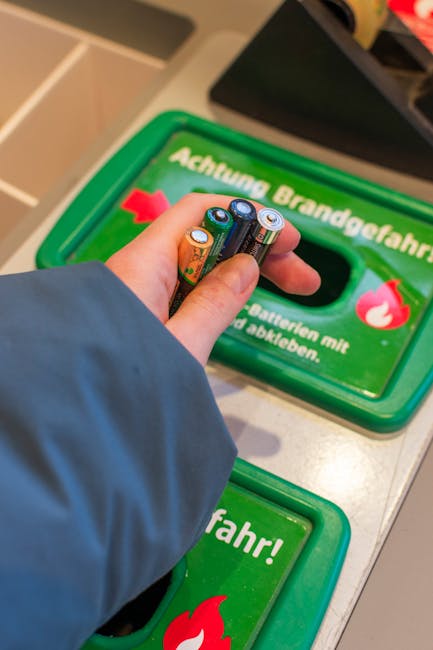
- Tossing batteries into general rubbish. They can cause heat, leaks, or fire risk during handling.
- Leaving lids off containers. Vapours and spills are much more likely.
- Hiding hazardous items in mixed bags. This creates a problem for whoever opens the load later.
- Assuming all small items are harmless. Small does not equal safe.
- Waiting until the last minute. That is when errors happen, especially during moving day or renovation week.
Another common slip is treating old cleaning products as if they are just "expired household stuff". Some are mild, some are not, and a few can produce irritating fumes even when they look perfectly harmless. If a product smells strong, looks separated, or has been stored for years in a hot cupboard, treat it cautiously.
And a slightly embarrassing but real one: people sometimes forget about aerosols until they hear one rattling around in a box. Not ideal. Keep them away from heat and do not puncture them unless the product instructions explicitly allow it and you know what you are doing.
Tools, Resources and Recommendations
You do not need fancy equipment to manage household hazardous waste properly, but a few basic items make life easier:
- heavy-duty gloves
- a sturdy plastic tray or box for sorting
- clear labels or masking tape and a pen
- bin liners for non-hazardous spill protection, not for mixing contents
- a torch for checking cupboard corners and shed shelves
- a checklist for separating batteries, bulbs, paints, and chemicals
For broader home clean-outs, it also helps to think about the rest of the waste stream at the same time. If your project includes furniture, electronics, or general household clutter, services like house clearance, loft clearance, or furniture removal may be more efficient than trying to piece everything together separately.
Where sustainability matters to you, ask how items are sorted after collection. Responsible handling is not just a slogan; it is about keeping reusable, recyclable, and genuinely hazardous materials in the right stream. A good provider should be able to explain that plainly. If they cannot, that is a useful signal in itself.
Law, Compliance, Standards, or Best Practice
Without getting overly legalistic, the key point is that household waste still needs to be handled in line with recognised safety and compliance expectations. In the UK, hazardous materials should not be mixed with ordinary domestic waste in a way that creates danger or makes downstream handling unsafe. Good practice also means using a properly licensed waste carrier where one is needed and ensuring waste is transferred to an appropriate facility.
For residents, the safest approach is to follow local collection rules, keep waste separated, and use a provider that can explain how the material will be handled. If you are arranging disposal through a third party, it is sensible to check their credentials and make sure their process aligns with responsible waste management. That is where a page like waste carrier licence and compliance guidance can be reassuring, because it reflects the basic checks a careful customer should make.
Best practice is not about fussiness. It is about avoiding contamination, accidental exposure, and improper dumping. A lot of the time, the right answer is simply: separate it, label it, and hand it over correctly. Clean and simple.
Options, Methods, or Comparison Table
There are a few common ways to deal with household hazardous waste in Harrow, and the best choice depends on the item, volume, and urgency. Here is a straightforward comparison.
| Option | Best for | Pros | Watch-outs |
|---|---|---|---|
| Keep separate and store temporarily | Small quantities while planning disposal | Safe if handled carefully; gives you time to sort | Needs good labelling and secure storage |
| Use a general waste collection for non-hazardous items | Mixed clear-outs with ordinary rubbish | Convenient for the non-hazardous portion | Hazardous items must stay out of the load |
| Book a specialist waste removal service | Multiple hazardous items or a larger clearance | More controlled handling and less guesswork | Need to describe the waste clearly in advance |
| Separate appliance or bulky-item removal | White goods, damaged appliances, or mixed contents | Efficient when an item has non-obvious components | Not every appliance is treated the same way |
If you are weighing up cost versus convenience, the cheapest option is not always the best one. A small mistake with chemicals or batteries can create more expense later. On the other hand, if you only have a couple of safe items, a simple separation and collection plan may be enough. The right answer depends on the mix, not just the price tag.
For some households, it also helps to read about avoiding hidden rubbish removal charges in Harrow before booking anything. Clear pricing matters, especially if you are dealing with more than one waste type.
Case Study or Real-World Example
Here is a typical real-world scenario. A couple in a Harrow semi-detached home starts clearing the loft before a renovation. They find old tins of paint, a box of mixed batteries, two aerosols, a bottle of household cleaner, and a broken lamp. At first glance it looks like one small clear-out. In practice, it is five different handling decisions.
They do what most sensible people do once they pause for a minute: sort the items by type, keep the lids on, move everything away from the boiler cupboard, and put the batteries and aerosols into separate containers. The non-hazardous cardboard, general clutter, and an old chair are booked into a standard removal. The hazardous items are identified clearly so they are not bundled in by mistake.
The result? No panic, no spill, no last-minute dash to figure out which bin takes what. Just a tidy loft and a clearer plan for the rest of the house. It sounds small, but these jobs often turn on tiny choices like that. You will feel the difference immediately once the clutter starts moving.
That kind of mixed-load job is also where a broader disposal service can be helpful. If your project is bigger than a few isolated items, you may want to combine it with domestic waste collection or a full waste disposal solution so the non-hazardous and hazardous parts are handled in the right way.
Practical Checklist
Use this quick checklist before you move or book anything.
- Have I identified which items are hazardous?
- Are any containers leaking, bulging, or cracked?
- Have I kept chemicals, batteries, and aerosols separate?
- Are the labels still visible?
- Have I stored items away from heat, flame, and children?
- Do I know which items can go in a standard collection and which cannot?
- Have I checked whether the waste provider can handle the load responsibly?
- Do I need furniture, appliances, or general clutter removed at the same time?
- Have I avoided mixing hazardous items into a general bin bag?
- Am I confident the disposal plan matches the waste type?
If you can tick most of those without hesitation, you are in good shape. If not, take a breath and slow down a bit. There is no prize for rushing a hazardous waste job.
Get a free quote today and see how much you can save.
Conclusion
Household hazardous waste does not have to be a headache. Once you know what you are dealing with, the process becomes much more manageable: sort carefully, store safely, avoid mixing materials, and choose the right disposal route. That is really the heart of sensible household hazardous waste rules Harrow disposal guidance. Nothing fancy. Just careful, steady handling that protects your home and the people around it.
If you are tackling a larger clear-out, remember that hazardous waste is only one part of the picture. Combining it with the right local disposal service can make the whole job faster, cleaner, and far less stressful. To be fair, a tidy house always feels a little lighter afterwards. Even the air seems better.
And if the job feels a bit overwhelming, that is normal. Start with one cupboard, one box, one shelf. Progress adds up quicker than you think.



 Tipper Van - Waste Disposal and Rubbish Removal Prices in Harrow, HA1
 Luton Van - Waste Disposal and Rubbish Removal Prices in Harrow, HA1