Harrow Council rubbish rules bulky waste permits explained
Posted on 01/08/2026
If you have a sofa on the landing, a broken chest of drawers in the hallway, or a pile of renovation offcuts that is starting to feel permanent, you are probably trying to work out the same thing: what are the actual rules in Harrow, and do you need a permit for bulky waste? Harrow Council rubbish rules bulky waste permits explained does sound like a dry subject at first glance, but in real life it is mostly about avoiding fines, missed collections, and awkward doorstep surprises. This guide breaks everything down in plain English so you can choose the right route, keep things compliant, and get the waste moved without unnecessary stress.
It is written for everyday household clear-outs, landlord jobs, small business waste, and the slightly messy situations that often crop up after a move or a refurbishment. You will find a clear process, practical examples, a comparison of disposal options, and a checklist you can actually use. No fluff. Just the bits that matter.
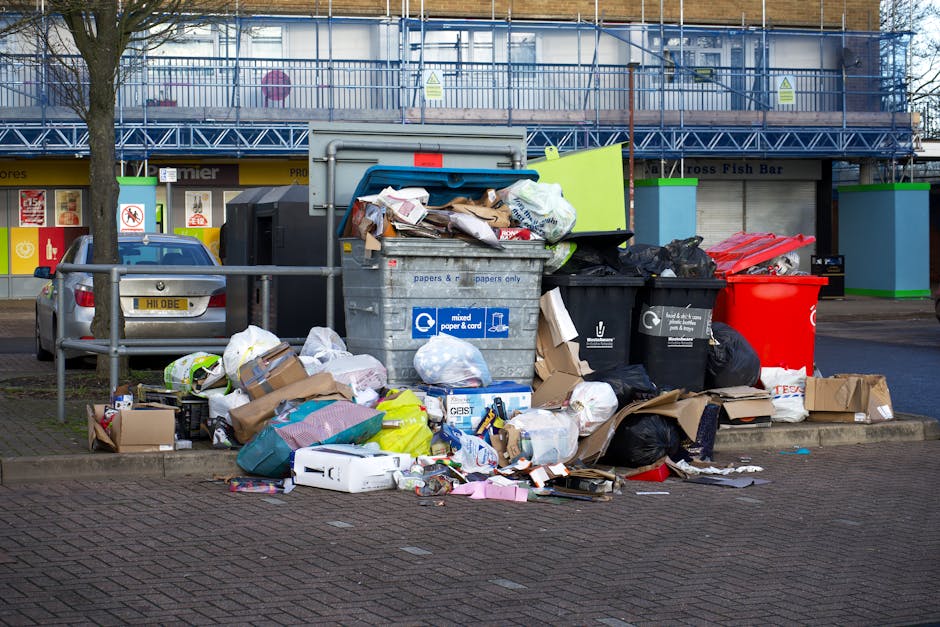
Why Harrow Council rubbish rules bulky waste permits explained Matters
Bulky waste is one of those household jobs that looks simple until you try to do it. A mattress does not fit neatly into a regular bin collection. A wardrobe will not magically become small enough if you leave it by the front gate. And building rubble? Well, that tends to cause the most confusion of all.
Understanding the local rules matters because rubbish in the wrong place, at the wrong time, can lead to problems. In a busy borough like Harrow, kerbside space is limited, streets can be tight, and neighbours are not always thrilled by waste sitting outside for too long. Add in the fact that some items need special handling, and it becomes pretty clear why a permit or arranged collection may be needed.
There is also a simple money angle. If you guess wrong, you may pay twice: once for the wrong disposal method and again to fix it. To be fair, that happens more often than people admit. A quick bit of planning usually saves hassle and keeps you on the right side of local expectations.
If you are comparing waste options across the borough, it can help to start with the basics of available waste services and then work out whether your job is best treated as domestic rubbish, garden waste, furniture removal, or a larger clearance.
How Harrow Council rubbish rules bulky waste permits explained Works
At a practical level, bulky waste rules in Harrow usually come down to three questions:
- What item are you disposing of?
- Where will it be placed for collection or removal?
- Does the job need council approval, a permit, or a licensed waste carrier?
For ordinary household items such as a sofa, table, or old wardrobe, the main issue is usually booking the correct collection route and placing the items exactly where instructed. For anything larger, heavier, awkward, or linked to building work, you may need to think about access, timing, and whether a skip or alternative waste collection method is more suitable.
Permits tend to become relevant where a container, skip, or obstruction will sit on public land, or where the disposal method needs permission because of street use, parking restrictions, or highway access. That is the bit people often miss. The waste itself is not always the issue; the location of the waste or container is what creates the permit requirement.
In day-to-day terms, this can mean:
- Identify the waste type and approximate volume.
- Check whether the items can be lifted safely and moved without blocking shared access.
- Decide whether collection, removal, or a skip-style solution is the right fit.
- Confirm if any permit or placement rules apply before the waste is left outside.
- Keep records, photos, or booking details in case anything needs to be confirmed later.
If your job is more than a few bags and one awkward chair, it is usually worth looking at a proper waste clearance approach rather than trying to improvise with car trips and wishful thinking. That "I'll deal with it this weekend" plan has defeated many a good-intentioned household.
Key Benefits and Practical Advantages
Getting bulky waste right is not only about compliance. It genuinely makes life easier.
- Fewer delays: Clear booking and correct placement means less waiting around and fewer failed collections.
- Lower risk of complaints: Neighbours, landlords, and managing agents are much happier when waste is dealt with cleanly.
- Better safety: Heavy items left in the wrong spot can become trip hazards or block emergency access.
- Less stress: You are not stuck wondering whether you have broken a rule by leaving a sofa on the pavement.
- More efficient clearance: The right method saves repeated lifting, extra journeys, and last-minute rebooking.
There is also a hidden benefit that people do not talk about enough: clarity. Once you know the process, you stop second-guessing every item. That alone is a relief, especially if you are dealing with a loft clearance or end-of-tenancy rush.
For homes, landlords, and offices alike, the best result usually comes from matching the waste to the right service. A few chairs? Different from a full house clear-out. Old appliances? Different again. If the load includes fridges, freezers, or other awkward items, a specialist route such as appliance disposal may be the safer option.
Who This Is For and When It Makes Sense
This topic matters most if you are in one of these situations:
- You are moving out and need to clear large household items quickly.
- You have upgraded furniture and the old set is taking up space.
- You are handling a tenancy change and need to leave the property clear.
- You are a homeowner dealing with a loft, garage, or garden build-up.
- You run a small business and need a tidy, lawful way to remove bulky office items.
- You are managing builders' waste from a light refurbishment.
It also makes sense if you live on a street where access is awkward. Narrow roads, controlled parking, and limited loading space can complicate a supposedly simple collection. If that sounds familiar, you may find it useful to read about rubbish clearance in narrow Harrow streets before you book anything.
One more thing: if your waste includes a mixture of furniture, bags, and renovation debris, do not assume everything can go out together. Mixed waste is often where confusion starts.
Step-by-Step Guidance
If you want to keep things straightforward, use this simple workflow.
- Sort the waste by type. Separate furniture, general household waste, green waste, appliances, and builders' debris. This helps you understand what you actually have.
- Measure the volume roughly. You do not need engineering precision. Just note whether it is one item, a few items, or a full room's worth.
- Check access. Think about stairs, lifts, parking, and whether the waste can be moved safely to the collection point.
- Confirm the correct disposal route. A bulky household collection, a licensed waste carrier, or a skip permit route may all lead to different outcomes.
- Book with clear instructions. State the item list, access details, and any timing restrictions. It avoids awkward phone calls later.
- Prepare the area. Keep paths clear, protect floors if needed, and make sure the items are ready to go.
- Keep confirmation details. Booking records and payment proof are worth holding onto. Boring, yes. Useful, absolutely.
For larger jobs, especially after decorating or light building work, it can help to pair this with a proper builders waste disposal plan. That is often the point where "a few bits and pieces" suddenly becomes two van loads and a lot of dust.
If you are clearing a whole property, a route such as house clearance may be more efficient than piecemeal removal. Same goes for offices and lofts, which always seem to hide more than you remember.
Expert Tips for Better Results
Here are the tips that usually save the most time and frustration.
- Book with a margin. If your clearance depends on parking space or lift access, give yourself a little wiggle room.
- Photograph larger items. A quick photo helps if you need to explain the load or confirm access conditions.
- Don't leave items out too early. If collection is delayed, waste left on the pavement can look untidy fast.
- Separate reusable from disposable items. Some furniture or appliances may be suitable for reuse, but only if they are clean and safe.
- Ask about licensing and disposal standards. A responsible waste carrier should be able to explain what happens to the waste after collection.
- Plan for awkward staircases. In older Harrow properties, the front door is not always the hardest part. Tight internal turns can be the real headache.
One practical observation from the field: the fastest jobs are usually the ones where the homeowner has already sorted items into sensible piles. Not glamorous, but it works.
And if you are trying to keep disposal costs under control, it is worth reading the advice on avoiding hidden rubbish removal charges. Small misunderstandings about labour, access, or item type are where many bills get messy.

Common Mistakes to Avoid
People usually do not get into trouble because they are careless. More often, they simply assume the rules are obvious. They are not always obvious.
- Leaving bulky waste outside without checking instructions. Timing and placement matter more than people think.
- Mixing prohibited items with ordinary household waste. Some items need separate handling.
- Forgetting access restrictions. Parking suspensions, narrow lanes, and shared entrances can derail a collection.
- Using an unlicensed collector. Cheap can become expensive if waste is fly-tipped and traced back to you.
- Guessing the volume. Underestimating the load often leads to extra charges or a second visit.
- Assuming one rule fits all waste. Garden waste, furniture, and renovation debris are different categories for a reason.
Garden waste is a good example. It looks harmless enough, but once it is bagged, wet, and mixed with soil or broken pots, the load can be trickier than expected. If your project has any outdoor element, the notes in garden waste removal mistakes are worth a quick read.
Truth be told, the biggest mistake is often trying to rush. A 15-minute check at the start can save an afternoon of faffing about later.
Tools, Resources and Recommendations
You do not need fancy kit, just a few sensible basics.
- Tape measure: Helpful for estimating large items and access gaps.
- Phone camera: Good for documenting items, access, and completed clearance.
- Notepad or notes app: Useful for listing waste categories and instructions.
- Gloves and sturdy footwear: If you are moving items yourself, safety matters more than speed.
- Basic room-by-room plan: Especially useful for house, loft, and office clearances.
For many readers, the best resource is not a gadget but a reliable service overview and a clear explanation of how collections are handled. It is also sensible to look at waste carrier compliance if you want confidence that the waste is being managed properly.
If your priority is efficient collection rather than DIY logistics, compare the available route with your own schedule. A same-day need may be possible in some cases, but not always. Delays happen, especially when access is tricky or loads are larger than expected. There is a useful discussion of this in same-day collection delays and what to know.
Law, Compliance, Standards, or Best Practice
This part matters because waste is one of those areas where "I didn't know" is not a great defence. In the UK, householders and businesses are expected to use lawful disposal routes and avoid placing waste where it creates obstruction, nuisance, or safety risk.
In plain English, best practice means:
- using a properly licensed waste carrier for removal services;
- checking whether a permit or permission is needed for containers or waste placed on public land;
- keeping pathways, pavements, and access routes clear;
- separating items that need special handling;
- making sure waste is not fly-tipped, dumped, or left out beyond the agreed time.
If you are hiring help, the trust signals to look for are straightforward: clear pricing, clear collection details, sensible safety measures, and an explanation of where the waste goes. A reputable operator should be able to talk through their process without making it sound mysterious.
You can also review general company policies and safeguards such as insurance and safety, terms and conditions, and recycling and sustainability. These pages help set expectations before anyone turns up at the kerb.
Options, Methods, or Comparison Table
The right option depends on the type of waste, the amount, and how fast you need it gone. Here is a simple comparison.
| Option | Best for | Strengths | Watch-outs |
|---|---|---|---|
| Bulky council collection | Single items or small household loads | Simple for residents, often straightforward | May have booking rules, timing limits, and item restrictions |
| Licensed waste carrier | Mixed household, furniture, appliances, office items | Flexible, often quicker, handles heavier clearances | Needs good access details and accurate item description |
| Skip or container-based solution | Projects with ongoing debris or renovation waste | Good for larger volumes, useful for repeated loading | May involve permit issues if placed on public land |
| DIY tip run | Very small loads | Can work if you have suitable transport | Time-consuming, access to disposal facilities can be a faff, and not ideal for heavy items |
In many Harrow households, a licensed collection ends up being the neatest compromise. It avoids the stop-start feel of DIY runs and is usually far less stressful than trying to coordinate friends, vans, and borrowed rope at 8am on a wet Tuesday.
Case Study or Real-World Example
Take a fairly typical example. A couple in a terraced Harrow property were clearing out after a move. They had a sofa, a broken bed frame, two wardrobes, some boxed household clutter, and a fridge in the kitchen. At first they thought it was "just a few items". By the time they finished listing it, the job was clearly more than a normal bin-day situation.
The first issue was access. Their street had limited parking, and the front hallway was narrow. The second issue was item type: the fridge needed separate handling, and the furniture was too large to drag down the stairs without planning. They photographed the load, grouped the waste, and arranged a collection that could handle both bulky items and the appliance.
What made the difference was not speed, oddly enough. It was clarity. Once they knew what was going, where it was located, and how it could be moved safely, the whole thing became manageable. No drama, no last-minute guessing.
If they had rushed it, they would probably have split the job into several expensive mini-sessions. Instead, one organised clearance did the trick. That is usually the real lesson here.
Practical Checklist
Use this before you book or place anything outside.
- Have I identified every item that needs removing?
- Do any items need special handling, such as appliances or construction debris?
- Have I checked whether a permit or permission is needed for where the waste will sit?
- Is the access route clear enough for safe collection?
- Have I measured or photographed the load if it is bulky?
- Have I chosen the right disposal route for the amount of waste?
- Do I know when the collection is due and how long the items can remain outside?
- Have I avoided mixing items that should be handled separately?
- Have I kept booking or confirmation details?
- Am I comfortable that the waste carrier or service is properly compliant?
If you tick all of those off, you are in good shape. Not perfect, just well prepared. And honestly, that is usually enough.
Conclusion
Harrow Council rubbish rules bulky waste permits explained is really about making the right disposal decision before the waste becomes a problem. Once you understand what type of item you have, where it will be placed, and whether a permit or licensed collection is needed, the whole process becomes much easier to manage.
The safest approach is simple: sort the waste, check the access, confirm the rules, and choose the route that fits the job rather than forcing the job into the wrong route. That saves time, avoids fines or delays, and makes the whole experience feel far less annoying. Because let's face it, nobody wants a sofa waiting outside the house like a grumpy guest who has overstayed their welcome.
When in doubt, lean toward clarity and proper compliance. It is a small bit of effort up front, and it usually pays off in calmer days and a tidier property.
Get a free quote today and see how much you can save.



 Tipper Van - Waste Disposal and Rubbish Removal Prices in Harrow, HA1
 Luton Van - Waste Disposal and Rubbish Removal Prices in Harrow, HA1