Garden waste clearance Pinner High Street HA5
Posted on 29/05/2026
Garden waste clearance Pinner High Street HA5: a practical local guide for tidy outdoor spaces
If your garden has started to look more "post-renovation jungle" than relaxing outdoor space, you're not alone. Garden waste clearance in Pinner High Street HA5 is one of those jobs that sounds simple until you're faced with soggy branches, hedge cuttings, old compost bags, broken planters, and a pile of green waste that somehow grew overnight. Whether you're clearing after a big prune, preparing a property for sale, or just trying to get the patio back, a proper clearance can make a huge difference.
This guide explains how the process works, what to expect, who it helps, and how to choose the right approach without wasting time or money. We'll also cover practical safety points, compliance basics, and a few common mistakes people make when tackling green waste on their own. If you want the whole picture before booking anything, this should help. And if you need a broader service overview, you may also find the main services overview useful for seeing how garden waste fits into wider clearance work.
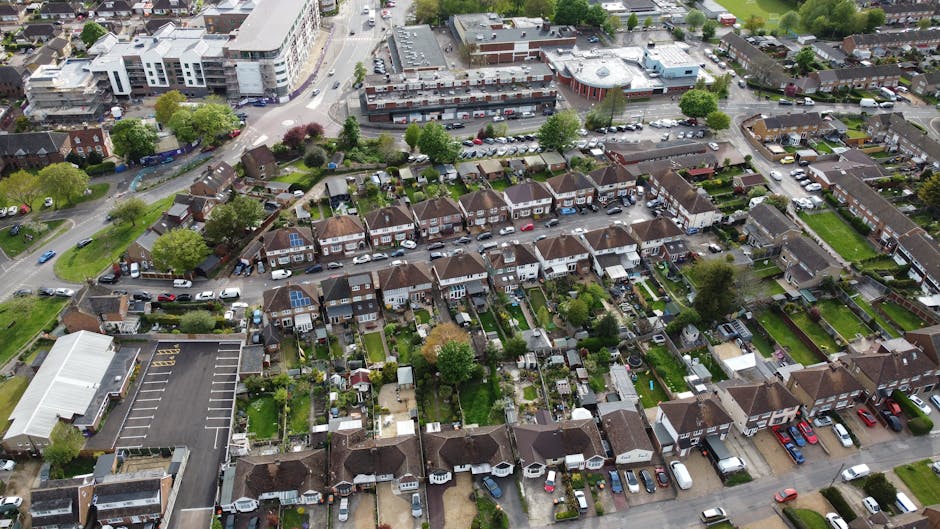
Why Garden waste clearance Pinner High Street HA5 Matters
Garden waste clearance is about more than making a space look neat. In a busy residential area like Pinner High Street HA5, cluttered green waste can quickly become a nuisance. Wet branches, piles of turf, and leftover cuttings take up room, attract pests, and make it harder to use the space properly. Let's face it, once the garden fills up with debris, even a simple cup of tea outside can feel slightly impossible.
For many households, the issue is seasonal. Spring pruning, summer hedge trimming, autumn leaf fall, and winter clear-outs all create waste at different times of year. If that waste builds up, it can become awkward to store and annoying to move. A clean garden is not just about appearance; it helps with drainage, safer walkways, and better access for ongoing maintenance.
There's also a practical property angle. If you're preparing a home for viewings, repainting fences, laying turf, or simply refreshing a front or back garden, you usually need the waste gone before any real work starts. That is where a focused garden clearance service becomes useful. It removes the mess in one go, so the rest of the project can actually move forward.
For readers in the wider Harrow area, a related page on garden waste removal in Harrow can help you compare what a dedicated green waste service typically covers.
How Garden waste clearance Pinner High Street HA5 Works
In simple terms, garden waste clearance usually starts with a quick assessment of what needs removing. That might include branches, grass cuttings, hedge trimmings, weeds, soil in small quantities, broken garden furniture, plant pots, and general outdoor clutter. The exact load matters because garden waste is often mixed with other materials, and the handling can vary depending on what is included.
Most clearances follow a similar process:
- Identify the waste - separate green waste from items that should be handled differently, such as timber, metal, or household rubbish.
- Estimate the volume - this helps decide how many people, sacks, or vehicle space are needed.
- Load safely - heavier or awkward items like roots, branches, and damp leaves need careful lifting to avoid injury or damage.
- Transport responsibly - collected waste should be taken to an appropriate facility for recycling, composting, or disposal.
- Leave the area tidy - a good clearance should not end with stray clippings left under the hedge. Nobody wants that.
In practice, a local garden clearance team may be able to handle everything in one visit, which is especially helpful if you are short on time or the waste is too bulky for regular bins. If your job overlaps with a larger clean-up, the broader waste clearance in Harrow service can be relevant too.
One small but important point: garden clearance is not the same as just "taking rubbish away". Good operators think about sorting, lifting, loading, and what can be recycled. That difference matters more than people realise.
Key Benefits and Practical Advantages
The obvious benefit is a tidier garden, but there's more to it than appearances. A proper clearance can save time, reduce physical strain, and stop waste from sitting around for weeks. If you've ever tried moving wet hedge cuttings in a normal bin bag, you'll know how quickly a small job turns into a bit of a wrestling match.
- More usable outdoor space - clear paths, patios, and beds make the garden feel larger and easier to enjoy.
- Less manual effort - no need to keep making repeat trips to a disposal site or stuffing car boots with thorny branches.
- Better presentation - useful if you're renting, selling, or simply want the property to look looked-after.
- Cleaner working conditions - landscapers, decorators, or gardeners can work faster when the area is already clear.
- More responsible handling - green waste can often be separated and processed more efficiently than general rubbish.
There is also a quieter benefit: it removes the mental weight of "I'll sort that later." We've all had that pile in the corner of the garden that somehow becomes a permanent resident. Clearing it properly just feels better.
If sustainability matters to you, it is worth looking at how the collected material is managed. Many customers prefer services that prioritise recycling or composting where possible, and the site's recycling and sustainability information is a helpful place to understand that approach.
Who This Is For and When It Makes Sense
Garden waste clearance is useful for a wide mix of people. It is not just for major landscaping projects. In fact, many requests come from very ordinary situations: a hedge cut back after a growth spurt, a tree branch broken in windy weather, or a garden that has simply not had a proper tidy-up in a while.
It tends to make sense for:
- Homeowners who have too much waste for council-style collection or normal bags.
- Landlords and letting agents preparing gardens between tenancies.
- Gardeners and landscapers who need a quick removal partner after a job.
- Busy families who want the space cleared without spending the whole weekend hauling sacks around.
- Older residents or anyone avoiding heavy lifting because the job is simply too demanding to do safely alone.
It is also a sensible choice after seasonal maintenance, especially if the waste is bulky, damp, or mixed with awkward items like old fencing panels, cracked pots, or plant tubs. If the job starts looking more like general clearance than purely green waste, a broader rubbish collection service may be the better fit.
Truth be told, people often wait too long. By the time the pile is blocking access to the shed, the job has become bigger than it needed to be. A smaller, regular clearance is often easier and cheaper than one giant emergency tidy-up.
Step-by-Step Guidance
If you are planning a garden clearance in Pinner High Street HA5, a structured approach helps a lot. It keeps the work manageable and makes it easier to get an accurate quote. Here is a sensible way to prepare.
1. Walk the garden and split the waste into groups
Start by looking at what is actually there. Separate green waste from non-green waste. Green waste usually includes grass cuttings, leaves, hedge clippings, weeds, prunings, and small branches. Non-green items may include broken tools, pots, plastic edging, old toys, and fencing.
2. Decide what stays and what goes
This sounds obvious, but it saves time. If you are keeping compost bins, planters, or bags of topsoil, move them out of the clearance area first. When waste is mixed with useful items, things slow down very quickly.
3. Think about access
Can someone carry waste through the side return? Is there a tight gate? Is the alley slippery? These small details affect how the work is done. A clear access route usually means a faster and neater job.
4. Take note of heavy or awkward items
Roots, sodden branches, and bagged soil weigh far more than they look. That is one of those annoying little garden truths. Mention these items early so the team can plan the load properly.
5. Ask how the waste will be handled
It is sensible to ask where the waste goes and whether anything can be recycled. A trustworthy provider should be able to explain their process in plain English. If you want a broader sense of how the business operates, the page on waste carrier licence and compliance is worth a look.
6. Confirm timing and final expectations
Check whether the quote includes loading, sweeping up, and removal. Some people assume that all tidy-up is automatic, but that is not always the case. Better to ask than guess.
Expert Tips for Better Results
After enough garden jobs, a few patterns become obvious. Small bits of preparation can save a surprising amount of time, and sometimes a bit of money too.
- Cut large branches down before collection if you can do so safely. Smaller pieces are easier to stack and load.
- Keep wet waste separate where possible. Damp cuttings are heavier, messier, and harder to handle.
- Bag loose material sensibly. Overfilled bags split. Underfilled bags waste space. There's a balance.
- Group similar waste together. It makes sorting quicker and reduces confusion on the day.
- Plan around weather. A dry morning is kinder for lifting, and it also reduces mud tracking across paths.
- Be honest about volume. Underestimating waste can lead to awkward surprises when the team arrives.
Another practical tip: if your garden has a few categories of waste, photograph them before booking. It helps explain the job clearly, especially where there are mixed items. Not glamorous, but effective. And in my experience, clear photos make everybody calmer.
If you are comparing removal support more broadly, the company's pricing and quotes page can help you understand how enquiries are usually handled.
Common Mistakes to Avoid
Most clearance problems come from the same handful of errors. None are dramatic on their own, but together they can create delays, extra costs, or a less tidy finish than expected.
- Mixing garden waste with general household rubbish - this can complicate sorting and disposal.
- Leaving waste in hidden corners - behind sheds, under shrubs, and along fence lines are the usual culprits.
- Ignoring weight - a few "light" bags of soil become very heavy very fast.
- Not measuring access - tight gates and awkward steps can slow the job down.
- Assuming everything is compostable - some items are not suitable for green processing.
- Booking on guesswork alone - vague descriptions usually lead to vague results.
There is also a trust issue people sometimes overlook. If a provider cannot explain how waste is handled, or the quote feels strangely casual, that is worth paying attention to. A clear service should feel calm, not mysterious.
Tools, Resources and Recommendations
You do not need a shed full of specialist equipment to prepare for garden clearance, but the right basics make the job easier. Even if you are not doing the lifting yourself, a little preparation helps the crew work efficiently.
| Item | Why it helps | Best for |
|---|---|---|
| Heavy-duty bags | Contain loose clippings and smaller debris | Leaves, weeds, grass cuttings |
| Gloves | Protect hands from thorns, splinters, and damp debris | Sorting and light tidying |
| Rake or leaf grabber | Speeds up gathering loose material | Autumn clear-ups, lawn care |
| Wheelbarrow | Reduces carrying strain over longer distances | Branches, mixed garden waste |
| Pruners or loppers | Helps reduce bulky branches into manageable pieces | Tree and hedge cuttings |
For homeowners who want to keep the overall property in order, it can help to think beyond the garden alone. A tidy outdoor area often goes hand in hand with other clear-out jobs such as house clearance in Harrow, especially before a move or a big refurbishment.
If the waste includes old furniture, damaged outdoor seating, or broken storage items, the furniture disposal page may also be useful. Small overlap, yes, but very common in real life.
Law, Compliance, Standards, or Best Practice
For garden waste clearance, the main point is straightforward: waste should be handled by a legitimate operator that can transport and manage it responsibly. In the UK, anyone carrying waste commercially should be properly registered as a waste carrier and follow accepted handling standards. That does not mean you need to become a legal expert overnight, but it does mean you should be careful about who you hand your waste to.
Best practice includes:
- Checking the provider is properly authorised to carry waste.
- Asking how the waste is sorted and whether recyclable green waste is separated.
- Keeping a simple record of what was removed, especially for larger jobs or commercial properties.
- Making sure hazardous or unusual items are flagged early, rather than tucked into the pile at the last minute.
If a load contains treated timber, painted materials, contaminated soil, or anything unusual, it may not be suitable for standard green waste processing. Better to mention that upfront. It saves confusion and keeps the job compliant.
For reassurance around business practices more generally, you can also review the company's insurance and safety information and the about us page. Those pages are not just formalities; they help you understand how the service is run and what standards are being followed.
Options, Methods, or Comparison Table
There are a few common ways to deal with garden waste. The best one depends on volume, time, access, and how much effort you want to put in yourself. Here's a simple comparison.
| Method | Best for | Pros | Watch-outs |
|---|---|---|---|
| DIY bagging and disposal | Small, light loads | Low direct cost, flexible timing | Time-consuming, physically demanding, multiple trips |
| Dedicated garden clearance | Moderate to large amounts of green waste | Fast, tidy, less lifting for you | Needs accurate description of the load |
| Mixed waste removal | Gardens with both green waste and other clutter | Good for one-off big clear-outs | May be priced differently if non-green items are included |
| Ongoing garden maintenance support | Regular pruning and seasonal tidy-ups | Prevents big build-ups | Only useful if you have recurring needs |
For many households, the best choice is not about doing everything at once. It is about matching the method to the mess. A small front garden in tidy condition is one thing; a rear garden after months of growth is another.
If your project involves wider property upkeep or moving days, the page on domestic waste collection in Harrow can help you think through what should be removed separately.
Case Study or Real-World Example
A typical local scenario looks like this: a homeowner in Pinner High Street HA5 has spent the weekend trimming back an overgrown hedge, cutting down a few small branches, and clearing the lawn after months of leaf fall. By Sunday evening, the patio is half covered in sacks, the side passage is tight, and the bin is already full. The garden does not look awful exactly, but it is stuck in that awkward "unfinished" state.
Instead of trying to split the waste across several weeks, they arrange a single clearance. The team arrives, checks access, confirms what is included, and removes the green waste in one visit. The leftover leaves are swept up, the path is clear again, and suddenly the garden feels useful rather than stressful. A small thing, really. But a good one.
That kind of job is especially common when people are preparing for another project: new turf, fence repairs, or a full garden redesign. Once the waste is gone, decisions become easier. You can see the space properly, which sounds obvious, but it changes everything.
And yes, occasionally there is that one heap of branches that looked tiny in the corner and somehow became the size of a small sofa. Garden waste has a way of doing that.
Practical Checklist
Use this checklist before booking or starting your garden waste clearance. It keeps the job clear and avoids the usual last-minute surprises.
- Have I separated green waste from general rubbish?
- Do I know roughly how much waste needs removing?
- Have I checked access points, gates, and steps?
- Are there any heavy items like soil, roots, or wet bags?
- Have I flagged anything unusual, sharp, or potentially contaminated?
- Do I know whether I want a simple clearance or a wider tidy-up?
- Have I confirmed whether sweeping and basic tidy-up are included?
- Do I understand how the waste will be recycled or disposed of?
- Have I compared the service with other removal needs, if relevant?
- Am I happy with the quote, timing, and expected finish?
Key takeaway: the cleaner the information you provide at the start, the smoother the clearance tends to be. It really is that simple.
Conclusion
Garden waste clearance in Pinner High Street HA5 is one of those services that quietly makes everyday life easier. It clears space, reduces stress, improves safety, and helps you get back to enjoying the garden rather than working around it. Whether you are dealing with a small seasonal pile or a full outdoor reset, the right approach is usually the one that is clear, compliant, and straightforward.
Take a moment to separate what needs removing, think about access, and decide whether you need a dedicated green waste service or a broader clearance. A little planning up front saves a lot of hassle later, and the result is usually worth it. Fresh air, a clear path, a garden that feels like yours again. That's the point, really.
Get a free quote today and see how much you can save.


 Tipper Van - Waste Disposal and Rubbish Removal Prices in Harrow, HA1
 Luton Van - Waste Disposal and Rubbish Removal Prices in Harrow, HA1