Real cost of garden waste removal Harrow common mistakes
Posted on 08/07/2026
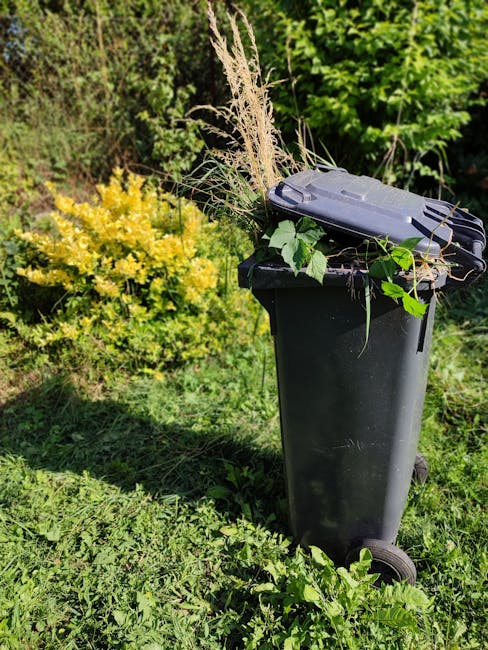
If you have ever dragged a heap of hedge trimmings, old turf, and damp branches to the kerb and thought, "This should be straightforward," you are not alone. The real cost of garden waste removal Harrow common mistakes is rarely just the headline price. It is usually a mix of load size, access, labour, sorting, timing, and the mistakes people make when they try to guess the job before they have properly looked at it.
That is where things get frustrating. A quote can look reasonable at first, then suddenly the final bill grows because the waste was heavier than expected, the garden access was awkward, or the mix included items that should have been separated. In Harrow, with its mix of terraced homes, driveways, side access paths, and narrow residential streets, those details matter more than people think.
This guide breaks down how garden waste removal is actually priced, what commonly pushes the cost up, and how to avoid the mistakes that lead to overpaying. We will keep it practical, local, and honest. No fluff. Just the kind of guidance that helps you make a clean decision, not a rushed one.
Why Real cost of garden waste removal Harrow common mistakes Matters
Garden waste removal feels simple until you have three bulky green bins' worth of cuttings, a bag of soil, some broken planters, and a few odds and ends that are not really "garden waste" at all. That is the point where the real cost starts to show itself.
Why does this matter so much in Harrow? Because local jobs are rarely one-size-fits-all. A front garden with easy access is a different job from a rear garden down a narrow side passage, especially if a team has to carry waste by hand. Add parking pressure, shared driveways, or a steep path after a wet week and the job changes again. Not dramatically, but enough to affect labour and time.
People also underestimate the hidden cost of sorting mistakes. For example, a pile of prunings, weeds, and soil looks like one job. In practice, soil is dense and heavy, branches take up more volume than they seem to, and mixed-in plastic pots or old fence panels may move the waste into a different category. It is a small detail, but small details are where budgets go a bit wonky.
If you want to avoid that trap, it helps to understand the broader service landscape too. The team at services overview and the dedicated garden waste removal Harrow service pages give you a sense of how garden clearance sits alongside general waste, household clearances, and other local collection options.
There is also a trust angle. Choosing the wrong provider can mean unclear pricing, poor communication, or questionable disposal practices. To be fair, that is the sort of thing most people only discover after the van has left. A better approach is to ask the right questions upfront and compare like with like.
How Real cost of garden waste removal Harrow common mistakes Works
The pricing model for garden waste removal is usually based on a combination of volume, weight, labour, and access. Some jobs are priced as a quick load-and-go collection, while others need a more careful, itemised approach. You are not just paying for the van. You are paying for time, handling, disposal, and the practical reality of moving material away from your property safely.
Here is the basic flow most people can expect:
- Initial description: You describe what needs collecting, ideally with photos. This is where honesty helps. If you say "just clippings" but there are also soil bags and broken sleepers, the quote is unlikely to stay accurate.
- Volume estimate: The team works out how much space the waste will take up. Light but bulky waste, such as hedge trimmings, can fill a load quickly. Heavy material, such as earth or wet grass, can change the pricing because of weight and handling.
- Access check: The team considers whether the waste is easy to reach. Can it be carried directly to the vehicle? Are there steps, tight corners, or a long walk from the garden to the street?
- Quote or estimate: A fair quote should reflect the actual job, not a vague guess. If you want more detail on this side of things, the page about pricing and quotes is worth a look.
- Collection and sorting: Waste is loaded, with recyclables separated where possible. Green waste, soil, wood, and mixed garden debris may be handled differently.
- Responsible disposal: The final part should involve legal and proper disposal, with an emphasis on recycling where suitable. That is not just "nice to have" - it is part of doing the job properly.
One thing that surprises people is that "garden waste" is not always just garden waste. A pile from a weekend tidy-up might include compostable greenery, old compost bags, rusty tools, and a bit of random domestic rubbish. That mix can shift the service category. If you are not sure, it is better to mention everything. Really, better to over-share than under-share on quote day.
For related local reading, the article on garden waste clearance in Pinner High Street is useful because it shows how local access and loading conditions can change the job, even over a relatively small distance.
Key Benefits and Practical Advantages
Done properly, garden waste removal is not just about getting rid of clutter. It saves time, reduces strain, and keeps your outdoor space usable again. That last one is easy to underestimate. A cleared garden feels different. You notice the space, the light, and even the smell of fresh soil once the mess is gone.
Here are the main advantages people usually value most:
- Faster clearance: A professional collection can remove a weekend's worth of green waste in a single visit.
- Less physical hassle: No repeated trips to a local tip, no lifting overloaded car boots, no muddy mess in the back seat.
- Better sorting: When the provider knows what they are doing, recyclable garden waste is handled more sensibly.
- Cleaner finish: Many jobs end with a tidy sweep-up rather than a half-finished pile left behind.
- More predictable planning: Once you know the real cost, the rest of the gardening job becomes easier to budget.
There is also a seasonal advantage. In spring and early autumn, garden waste often builds up fast. One week of pruning becomes three bags, then six. If you leave it too long, you end up with compacted material that is harder to move and more awkward to price. A bit like ignoring a washing-up pile. It never shrinks on its own, annoyingly.
For some homeowners, the practical benefit is tied to property presentation. This can matter if you are preparing for a sale, a rental inspection, or simply want the front of the house to look cared for. If that sounds familiar, a related read on property sales insights for Harrow may be useful, because outdoor presentation can shape first impressions more than people expect.
Who This Is For and When It Makes Sense
Garden waste removal makes sense for a wide range of people, not just those with a full-scale landscaping project. In Harrow, it often suits busy households, landlords, older residents who would rather not do heavy lifting, and anyone who has just finished a major tidy-up.
It is especially relevant if you are:
- cutting back hedges or shrubs after months of growth
- clearing a garden after a move or tenancy change
- removing soil, turf, branches, or tree cuttings from a renovation
- dealing with waste after DIY landscaping
- preparing an outdoor area for sale, photos, or family use
- struggling with access to a car or a suitable vehicle
Sometimes the job is small but still worth outsourcing. A few heavy bags of wet cuttings can be a nuisance if you are working, have children underfoot, or simply do not fancy making repeated trips to the street. And let us be honest, no one wakes up excited to wrestle thorny branches into a hatchback.
For property owners and managers, it can also connect to wider clearance needs. If the waste appears alongside old furniture, broken garden furniture, or other household items, you may end up needing a broader clearance solution. In those cases, the waste clearance in Harrow option can be a better fit than trying to force everything into a narrow category.
Step-by-Step Guidance
If you want to avoid inflated prices, start with a simple process. Nothing fancy. Just a sensible order of operations.
1. Separate the waste first
Split your pile into greenery, soil, wood, plastic pots, bags, and anything else mixed in. This gives you a clearer picture of the real job and reduces quote surprises. It also helps you see whether there is anything that should not be included in a garden waste collection at all.
2. Measure the pile honestly
You do not need precision to the centimetre, but you do need a realistic sense of volume. A pile that looks manageable from the patio can be much bigger once loosened and loaded. Take a photo from a few angles. Morning light is often better for this, oddly enough, because shadows make depth easier to judge.
3. Check access
Think through how waste will get from the garden to the vehicle. Is there a side entrance? Are there steps? Is the path slippery, narrow, or shared? In older Harrow properties, access can be the thing that changes a simple collection into a more labour-heavy visit.
4. Ask what is included
Does the price include labour, loading, and disposal? Is there a minimum charge? Are soil, turf, or mixed materials treated differently? These questions are plain, but they matter. If the answers are vague, that is a warning sign.
5. Compare the quote against the full job
A good quote should match the scale of the waste and the effort needed. If one price is dramatically lower than the others, ask why. Sometimes it is a real bargain. Sometimes it is the beginning of a more expensive conversation later on.
6. Schedule at the right time
If possible, choose a slot when access is easiest and the waste has been sorted. Same-day arrangements can work well, but only if the job is clear. There is a useful discussion of timing pressures in same-day rubbish collection delays in Harrow, which is relevant when you are trying to line up collection with weather, work, or garden plans.
Expert Tips for Better Results
Experience tells you that the cheapest job is usually the one that is planned properly. That sounds obvious, but plenty of people still wing it and then wonder why the price feels off.
Here are a few tips that genuinely help:
- Keep garden waste dry where possible. Wet grass and soaked branches can weigh a surprising amount. If the weather turns, the load can change fast.
- Bundle light material neatly. Loose leaves and stems take up more room than compact bags. A tidy bundle often quotes better.
- Avoid mixing in unwanted items. Old plant pots, broken slabs, and random household rubbish can complicate the load.
- Ask for clarity on soil. Soil is heavy. It is one of the most common reasons a "small" garden job grows in cost.
- Plan for access in advance. If the team needs to come through a side gate, unlock it ahead of time. Small thing, big difference.
A useful local habit is to think in "walk time" rather than just waste volume. If someone has to carry bags and branches from the back garden to the front for several minutes, that labour is part of the real cost. Harrow's mix of property layouts makes that especially relevant.
If you want to go a step further, ask whether the company separates green waste for recycling. That is both a cost and an environmental issue, and it tends to tell you a lot about the provider's standards.

Common Mistakes to Avoid
This is where most cost creep happens. Not because people are careless, exactly, but because they assume garden waste is simple. It often is not. Here are the mistakes that cause the biggest headaches.
1. Underestimating the amount of waste
The classic one. A pile looks small until you start bagging it. Then suddenly it feels like the hedge was plotting against you. If you understate volume, the quote may be revised on arrival.
2. Forgetting about soil and turf
These are dense and heavy. Soil, in particular, can alter the price more than soft green waste. One bag of soil can behave like three bags of trimmings in pricing terms.
3. Mixing garden waste with general rubbish
Paint tins, broken metal, old textiles, and general household waste do not belong in a green waste job. Mixed loads can be more expensive and may need sorting before collection.
4. Not checking access
A long carry from the rear garden, awkward parking, or a narrow passage can all affect labour. This is one of those "the price changed because the reality changed" situations.
5. Booking without asking what is included
If loading, disposal, and sweep-up are not clearly mentioned, ask. Assuming they are included can lead to disagreements, and nobody needs that on a Tuesday afternoon.
6. Choosing purely on the lowest quote
The cheapest quote is not always the best value. If a provider is too vague on disposal, timing, or access, the saving can disappear fast.
A related local guide worth reading is avoid hidden rubbish removal charges in the Harrow council area. It speaks directly to the sort of pricing mistakes people make when they rush the booking.
7. Leaving the waste pile exposed too long
In wet weather, a pile can become heavier and messier. Leaves compress, grass rots down, and a job that looked neat on Monday can look very different by Thursday.

Tools, Resources and Recommendations
You do not need a professional toolkit to get ready for garden waste removal, but a few simple tools make the process smoother and the quote more reliable.
| Tool or resource | Why it helps | Practical note |
|---|---|---|
| Heavy-duty garden bags | Makes sorting and lifting cleaner | Use sturdy bags rather than overfilling flimsy ones |
| Rake and tarp | Helps gather loose cuttings | A tarp can make moving waste to the collection point much easier |
| Phone camera | Useful for quotes | Take wide shots and close-ups so the provider can judge the load |
| Measuring tape | Helps estimate pile size | Not essential, but handy for larger clearances |
| Access checklist | Prevents surprises on the day | Include gates, steps, parking, and any locked doors |
For broader context on reliable waste handling, it is worth looking at recycling and sustainability and waste carrier licence and compliance. Those pages help you understand what responsible disposal should look like, even if you are just booking a single garden clearance.
If your job is part of a bigger clear-out, the site's pages for house clearance in Harrow and domestic waste collection can also be useful references. Sometimes the smartest move is not splitting one job into three tiny ones, but grouping it sensibly.
Law, Compliance, Standards, or Best Practice
When garden waste is collected professionally, the key thing is that it should be handled by a lawful waste carrier and disposed of properly. You do not need to become an expert in waste law, but you do need to know enough to avoid a dodgy arrangement.
In plain English, best practice usually means:
- the collector can explain how your waste will be handled
- they can describe whether materials will be recycled where suitable
- they are clear about what they can and cannot take
- they do not offer suspiciously cheap disposal without explanation
- they are upfront about pricing, labour, and access-related adjustments
There is also a practical safety side. Wet paths, thorny branches, heavy bags, and unstable piles can all cause avoidable accidents. A responsible team should work safely, and you should be able to see that in how they approach the job. The insurance and safety page is a useful reminder of the standards you should expect.
And because trust matters, clear terms matter too. If you are comparing providers, it is sensible to understand the basics of terms and conditions before you book. That way, the quote and the job are aligned, which is how it should be.
A small but important note: if a provider cannot explain their process in simple terms, that is often more revealing than any polished sales pitch. The good ones usually can. No drama, no waffle, just clarity.
Options, Methods, or Comparison Table
There are a few ways to deal with garden waste in Harrow, and the right option depends on volume, access, time, and how much lifting you want to do yourself.
| Method | Best for | Pros | Trade-offs |
|---|---|---|---|
| DIY tip run | Small, manageable loads | Can be economical if you already have transport | Time, lifting, fuel, and multiple trips add up |
| Bagged curbside collection | Light, well-sorted green waste | Simple if access is easy | Usually limited by volume and material type |
| Professional garden waste removal | Mixed, bulky, or heavy loads | Fast, labour included, less stress | Can cost more if access or waste type is awkward |
| Full clearance service | Big tidy-ups or mixed waste | Best for combined garden and household waste | Not ideal if you only have a tiny amount |
If you are in a hurry, a collection team may be the obvious choice. If you are dealing with a truly small pile, DIY can be fine. But once the pile gets awkward, or you have heavy material, the professional route often ends up being better value than it first appears.
There are also location-specific challenges. For example, narrow streets and access pressure can affect collection time. That is why the article on access problems for rubbish clearance in narrow streets across Harrow is worth a quick read if your property is not easy to reach.
Case Study or Real-World Example
A fairly typical Harrow scenario goes like this. A homeowner spends a Saturday cutting back a large hedge, pulling weeds, and clearing an overgrown corner at the end of the garden. By Sunday afternoon there are several bags of greenery, a small pile of branches, a few broken pots, and some soil from replanting. At first glance it seems like a modest job.
Then the real questions appear. The garden is at the back of the property. The side access is narrow. Parking is limited. The waste is a mix of light and heavy material. And because the soil was kept in bags that were a bit too full, lifting it is awkward. Suddenly the "simple" clearance has turned into a more involved collection.
In that sort of job, the real cost is shaped less by the visual size of the pile and more by the practical work involved. A provider has to factor in carrying time, lifting effort, and disposal for different materials. If the homeowner had sent a few photos in advance and mentioned the soil, the broken pots, and the access issue, the quote would likely have been much closer from the start.
That is the lesson, really. The most accurate quotes are built on specifics, not optimism. And yes, optimism is lovely for a garden; it is not always ideal for pricing.
Practical Checklist
Use this before you book garden waste removal in Harrow.
- Sort garden waste from general rubbish
- Separate heavy soil or turf from lighter cuttings
- Take clear photos of the full pile
- Check access, gates, steps, and parking
- Measure the approximate size of the load
- Ask what is included in the price
- Confirm whether loading and disposal are covered
- Ask how green waste is handled or recycled
- Make sure the provider is clear about timing
- Read the terms before you agree to the job
- Move fragile items away from the collection path
- Keep the area as dry and tidy as possible
If you tick most of those boxes, you will usually get a cleaner quote and a smoother collection. Simple, but effective.
Conclusion
The real cost of garden waste removal in Harrow is not just about the amount of greenery in the pile. It is about access, weight, sorting, timing, and the small assumptions people make when they do not measure the job properly. That is where the common mistakes creep in, and that is where costs begin to drift.
Once you understand how the service is priced, you can make much better decisions. You can compare quotes properly, avoid hidden extras, and choose the right level of service for the actual job in front of you. And honestly, that is half the battle. The other half is just being a bit more specific than most people expect to be.
Get a free quote today and see how much you can save.
If you are still deciding, start with clear photos, a realistic waste estimate, and an honest look at access. That alone can save time, money, and a fair bit of stress. A tidy garden should feel like a relief, not a negotiation.


 Tipper Van - Waste Disposal and Rubbish Removal Prices in Harrow, HA1
 Luton Van - Waste Disposal and Rubbish Removal Prices in Harrow, HA1